
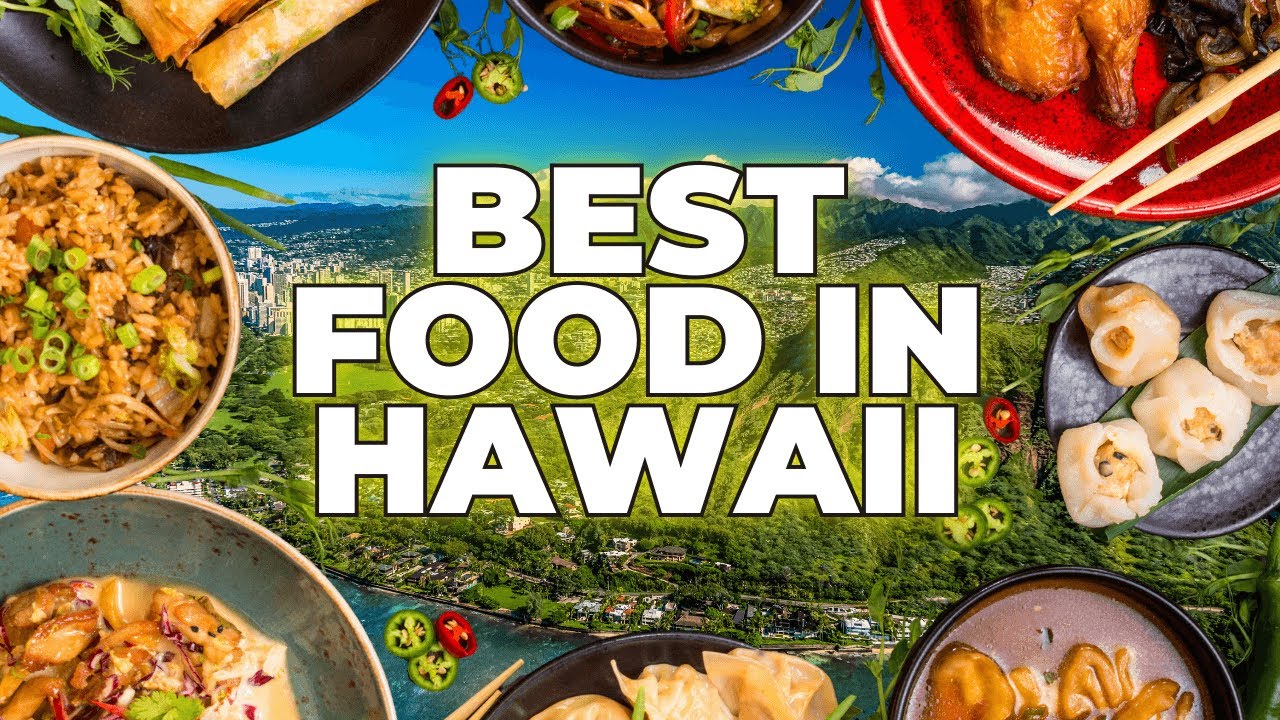
Best Local Food in Hawaii: Insider Tips from Island Locals
Hawaiian cuisine isn’t just about taste — it’s a story of history, culture, and community. In the video below, hosts Cara Crimmins, Mara, and Danielle Harris explore the best local food across the Hawaiian Islands, from hidden poke shops to backyard imu feasts. Whether you’re planning your trip or already living the island life, this guide is your ticket to eating like a true local.
Why Food Is at the Heart of Hawaiian Culture
In Hawaii, food is much more than nourishment — it’s a symbol of connection. As Mara explains in the video, Hawaii’s rich culinary culture began during the plantation era, when workers from Japan, China, Portugal, the Philippines, and other countries lived side by side. Despite language barriers, they bonded through shared meals — each bringing their own flavors and traditions to the table.
This multicultural blend continues to define the islands today. From family potlucks to beach BBQs, food is how locals celebrate, grieve, honor, and connect. A shared plate is a gesture of aloha — generosity, love, and community. As Danielle puts it, “Sitting and eating together is the most powerful way to connect.”
What Is “Local Food” in Hawaii?
If you’re visiting the islands and wondering what to eat, don’t just look for “Hawaiian food.” Instead, ask for “local food.” Local food reflects Hawaii’s diverse community — it’s a mix plate of cultures, flavors, and family recipes that have evolved over generations.
A typical local-style meal might include white rice, kalua pig (slow-cooked pork, often prepared in an imu — an underground oven), poke (marinated raw fish), adobo, pancit, lau lau (pork and butterfish steamed in taro leaves), or even fried chicken and macaroni salad. This is where the famous Hawaiian plate lunch comes in — a hearty, no-frills combo of protein, rice, and sides that locals crave daily.
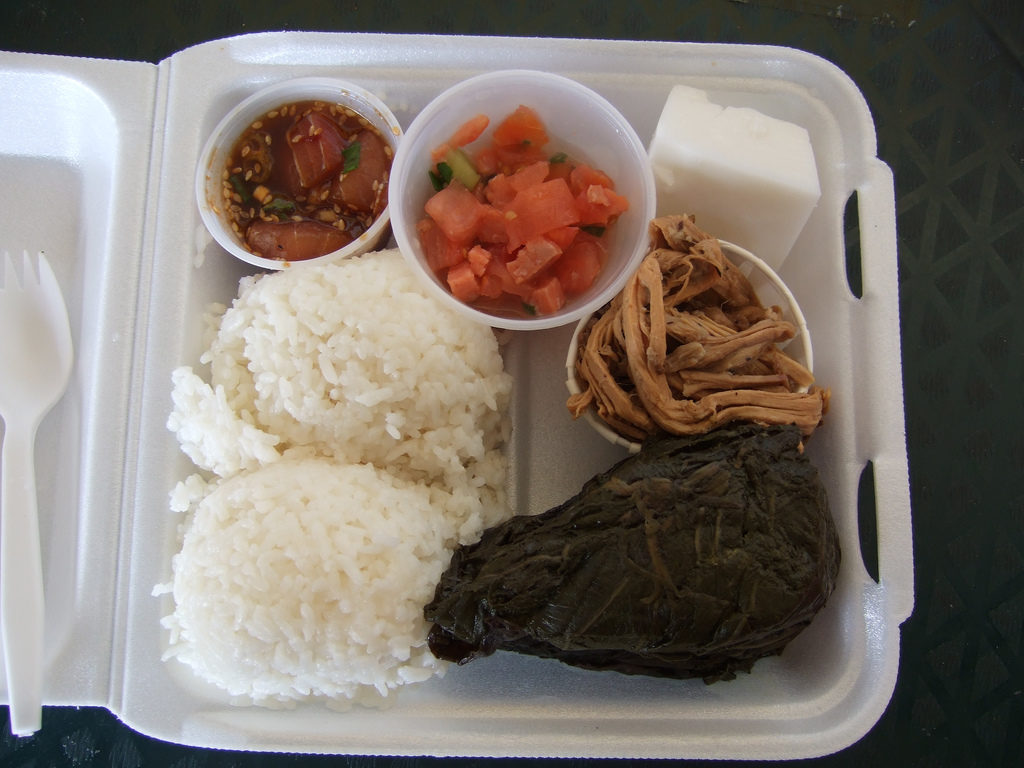
This is a classic example of a real Hawaiian plate lunch!
Wardsplatelunch by christian razukas is licensed under CC BY-SA 2.0. Image may have been resized or cropped from original.
And “mixed plate” isn’t just a menu item — it’s a metaphor. As Danielle jokes, “I’m literally a mixed plate — I’m everything.” The food reflects the people, and vice versa. That’s what makes Hawaii’s local cuisine so special: it’s a living, breathing expression of island identity.
Big Island Food Guide: Where to Eat Like a Local
The Big Island’s food scene is as diverse as its landscape — from misty Hilo to sunny Kona, you’ll find everything from casual okazuya lunch counters to upscale fish markets and beachfront fine dining. Host Mara, who knows the island inside and out, shared her top spots for authentic local eats.
For an upscale local food experience in Kona, head to Ume‘ke’s. It’s not just a poke shop — it’s a full-service restaurant with a fish market attached. You’ll find a wide range of options from fresh poke and Korean chicken to teriyaki burgers and seared fish plates. Whether you’re craving raw ahi or something more familiar, Ume‘ke’s has it all.
Hilo is all about the mom-and-pop okazuya shops, where locals line up for handmade Japanese-style bento. Mara recommends:
Walk in, grab a tray, and point to whatever catches your eye — nori-wrapped chicken, musubi, pickled veggies, fried fish, you name it. These spots are beloved by locals and a must-try for foodies looking to go beyond the guidebooks.
Craving something sweet? Tex Drive-In on the Hilo side is legendary for its malasadas — fluffy Portuguese donuts rolled in sugar and sometimes filled with chocolate, custard, or liliko‘i cream. On the southern tip of the island, Punalu‘u Bake Shop offers malasadas made from guava and liliko‘i-flavored dough for a fruity twist.
For romantic dining, Huggo’s on the Rocks, Papa Kona’s, and Lava Lava Beach Club serve up delicious meals with a front-row seat to Kona’s breathtaking sunsets. Want something elevated with a view? Try KaiLanai for its scenic perch and famous guava BBQ ribs.
Pro tip: If you see a white truck on the side of the road selling fresh fish or poke, stop. These roadside vendors often have the freshest, most affordable seafood on the island. Mara’s advice? “Just ask what boat it came from and when they caught it.” That’s as local as it gets.
Maui Food Guide: From Food Trucks to Fine Dining
Maui’s food scene is packed with variety — whether you’re tracking down a shrimp truck in Kahului or splurging on an anniversary dinner in Wailea. Danielle Harris, a longtime Maui local and real estate expert, knows where to find both.
For truly local-style grinds, start with the food trucks. One standout is La Poblana, a Mexican food truck in the Lowe’s parking lot in Kahului. Known for its birria tacos and carne asada, it’s a favorite among locals — and even visitors from San Diego say it stacks up to mainland favorites.
Nalu’s South Shore Grill in Kihei offers a wide-ranging menu of local dishes, from poke bowls to kalbi ribs. Danielle also recommends 808 on Main, Havens, and Kula Bistro for flavorful, hearty meals that won’t break the bank.
For romantic, upscale dinners, nothing beats Mama’s Fish House on the North Shore. You’ll need to book months in advance, but the sunset views, beachfront setting, and fresh island cuisine are unmatched. Other top-tier picks include the Four Seasons Resort restaurants, HumuHumu at the Grand Wailea, and Kō, all of which celebrate farm-to-table Hawaiian flavors.
Maui is also a haven for sweet treats:
- Komoda Bakery in Makawao – famous for its donuts on a stick and 100+ years of baking history
- Stillwell’s Bakery – known for cream horns and banana bread
- Momona’s Bakery – a newer favorite offering next-level pastries and breakfast
Danielle’s advice? “Just follow your nose and look for the places with long lines — the locals know where it’s good.” And don’t forget to ask what fish is fresh that day. Maui’s chefs build menus around the catch, and that’s where the magic happens.
Oahu Food Guide: Local Grinds from Honolulu to North Shore
Oahu is home to Hawaii’s largest and most diverse population, and its food scene reflects that. From traditional Hawaiian dishes to inventive Asian fusion, there’s something for every craving. Caleb, a born-and-raised Oahu local, shared some essential stops for anyone hungry in Honolulu or exploring the North Shore.
Start with the classics: Helena’s Hawaiian Food in Kalihi is a must-visit for authentic local dishes. Known for their pipikaula short ribs, laulau, and poi, this award-winning spot is a cultural institution. If you’re looking for real Hawaiian food served with pride, this is it.
Next stop: North Shore shrimp trucks. Caleb confirmed that you haven’t truly tasted Oahu until you’ve had garlic shrimp from a truck like Giovanni’s in Kahuku. These shrimp are often farm-raised locally and cooked to perfection — buttery, garlicky, and finger-licking good.
Looking to cool off? Shave ice is a must. Matsumoto’s Shave Ice in Haleiwa is a North Shore legend, while Waiola Shave Ice and Island Snow in Honolulu offer ultra-fine ice and customizable flavors.
And then there’s Leonard’s Bakery in Honolulu — home of the original Hawaiian malasadas. Whether you go classic with cinnamon sugar or opt for filled malasadas with liliko‘i, custard, or chocolate, these fried dough balls are worth every calorie.
Vegetarian & Cultural Food Options
While much of Hawaii’s cuisine leans toward seafood and meats, the islands also offer incredible vegetarian and plant-based options — especially with so many local farms growing fresh produce year-round.
On the Big Island, check out:
- Herbivores – A drive-thru vegan cafe near Kailua-Kona
- Vibe Cafe – Vegetarian and vegan options in Hilo
- Island Naturals Market – Salad bars, grab-and-go hot foods, and grocery items
Maui locals love:
- Alive & Well – Healthy cafe with made-to-order plates and smoothies
- Mana Foods in Paia – Natural food store with a full deli and juice bar
- Nalu’s and Lineage – Restaurants offering thoughtful vegetarian dishes
As Danielle notes, many restaurants across the islands are flexible and happy to customize meals for vegetarians or anyone with dietary restrictions. In fact, several Thai, Filipino, and fusion restaurants offer tofu swaps or veggie-based options by default.
Bottom line? Don’t hesitate to ask. Whether you’re vegan, gluten-free, or just craving fresh fruits and greens, there are plenty of flavorful options available across all islands.
Must-Try Local Fruits & Flavors
One of the most delicious parts of eating in Hawaii is the abundance of fresh, tropical fruit — many of which are woven into local recipes, sauces, desserts, and drinks. Whether you’re eating breakfast, dinner, or dessert, expect to see island-grown fruits everywhere.
Here are some must-try Hawaiian fruits and how locals use them:
- Liliko‘i (passion fruit): Used in everything from salad dressings and BBQ glazes to margaritas and cheesecake. Its tangy-sweet flavor adds brightness to both savory and sweet dishes.
- Mango: Eaten fresh, pickled, added to smoothies, or baked into mango bread. Summer is peak mango season, and locals often eat it sliced with shoyu or li hing powder.
- Apple bananas: Shorter, sweeter, and creamier than mainland bananas. They’re perfect in banana bread or as a simple, nutritious snack.
- Papaya: Served fresh with a squeeze of lime or incorporated into fruit bowls and breakfast platters. Some even eat the seeds for their peppery kick.
- Dragon fruit (pitaya): Bright pink and beautiful on the outside, with white or magenta flesh and black seeds. Its flavor is subtle, but it’s a showstopper in smoothie bowls and desserts.
- Calamansi (Filipino lime): Used in Filipino-Hawaiian marinades, sauces, and drinks. Tart, tangy, and packed with flavor.
- Ube (purple yam): Not technically a fruit, but commonly used in desserts like cheesecake, ice cream, and pastries — known for its deep purple color and earthy-sweet flavor.
Island cooking often fuses these fruits into sauces, chutneys, syrups, and even glazes for meats and fish — from liliko‘i butter on toast to guava BBQ ribs. If it’s grown here, it’s eaten here — and with a lot of creativity.
Hawaiian Coffee & Breakfast Hotspots
There’s nothing like sipping a locally brewed cup of coffee while the trade winds roll through and the sun rises over the ocean. Hawaii is the only U.S. state that grows coffee commercially, and it’s home to some of the world’s most prized beans — especially in the Kona region of the Big Island.
On the Big Island:
- Mountain Thunder Coffee – Near Kona; offers tours and tasting experiences
- UCC Hawaii – Known for its chocolate-covered coffee beans and freshly roasted brews
- Various Kona coffee farms – Many offer tours, free samples, and locally sourced gifts
Mara emphasizes that visiting a coffee farm isn’t just about the caffeine — it’s about learning the history, tasting the differences in roasts, and connecting with the land. These farms often sit at 1,500+ feet elevation, creating ideal growing conditions for rich, smooth coffee.
On Maui:
- Wailuku Coffee Company – A community favorite with local vibes and great drinks
- Akamai Coffee – With locations in Kahului, Kihei, and food trucks — known for bold roasts and ube-infused specialties
- Coffee Attic – A cozy stop for drinks with a warm, welcoming atmosphere
- Komoda Bakery – Known for its baked goods, but don’t sleep on the strong coffee either
Whether you’re into pour-over, cold brew, or just a rich drip coffee, the islands serve it fresh and flavorful. Don’t forget to try a local breakfast with it — banana pancakes, taro hash, or a simple bento from a corner cafe.
Final Foodie Tips: How to Eat Local with Aloha
Eating well in Hawaii isn’t just about what’s on the plate — it’s about the experience, the connection, and the spirit of aloha. Whether you’re grabbing a plate lunch from a food truck or grilling fresh fish on the beach, here are a few tips to help you eat like a true local:
- Follow the locals: If there’s a line outside, it’s probably worth the wait.
- Don’t skip the potluck: In Hawaii, potlucks are sacred — expect a spread from every culture, and bring something from the heart to share.
- Trust the roadside trucks: The best poke, fish, and tacos often come from places with handwritten signs and no website.
- Eat at the beach: Sometimes the best dining experience is grilled steak, sticky rice, and sand between your toes.
- Be respectful: Appreciate the deep cultural roots behind each dish. Ask questions, try new things, and say “mahalo” (thank you) often.
As Danielle shared, “If you’re a visitor and you want to experience this culture, don’t be afraid to join in — locals will often invite you to eat. Just share what you have, and you’ll be welcomed with aloha.”
Watch the Full Video for More Insider Recommendations
Still hungry for more? Watch the full video at the top of this page to hear real stories, local perspectives, and even more must-try dishes from our hosts Cara Crimmins, Mara, Danielle Harris — and special guest Caleb from Oahu. From imu pig to poke bowls, they cover the island food scene like only locals can.
Planning a Move or Extended Stay?
Thinking about trading in your suitcase for a set of house keys? Our hosts aren’t just food lovers — they’re also local real estate experts ready to help you find the perfect home on Maui, the Big Island, or Oahu.
Contact Cara Crimmins, Mara Miller, or Danielle Harris to learn more about living in Hawaii, finding your dream property, or making a smart investment in paradise.
Aloha, and Happy Eating!
Whether you’re here for a week or here to stay, Hawaii’s food will stay with you long after the last bite. From kalua pork cooked in the earth to mango-glazed ribs and coffee straight from the farm, this place feeds the soul as much as the stomach.
Mahalo for joining us — and don’t forget to watch the video above for the full conversation!





What do you think?